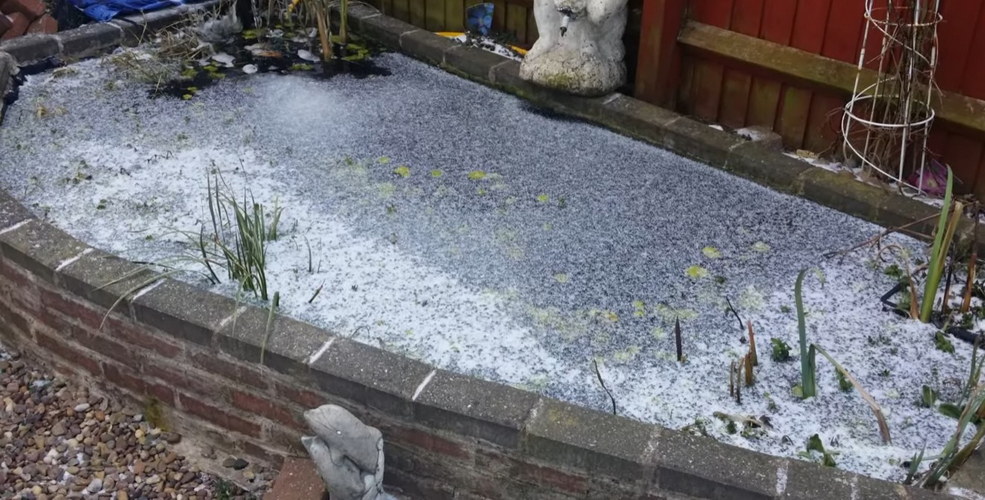
With the current cold snap hitting the UK, many pond owners are waking up to find their ponds completely iced over. While a frozen pond might look like a winter wonderland, it can actually be quite dangerous for your fish if not managed correctly.
In a video I published last year, I share some essential “home remedy” tips to keep your pond healthy and your fish safe throughout the winter months. Here is a breakdown of what you need to know. Read on or watch the video below & if you could give the video a like and subscribe for more tips throughout the year.
1. Keep the Water Moving
If you have a pump, try to keep it running 24/7 during freezing temperatures. Moving water is much less likely to freeze solid than standing water. Whether it’s a waterfall or a fountain, that constant flow creates a natural opening in the ice that allows for water flow & will stop the pipes from freezing.
2. The “Saucepan Secret” (Don’t Smash the Ice!)
This is perhaps the most important tip: Never smash the ice with a hammer or pole.
Why? The shockwaves from the impact travel through the water and can seriously harm or even kill your fish, who are in a semi-hibernating state at the bottom of the pond during the winter months.
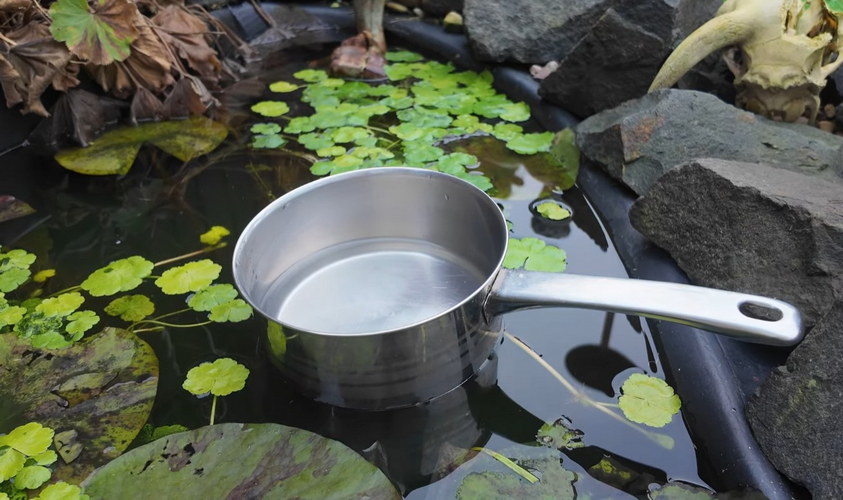
- The Solution: Use an old metal saucepan. Fill it halfway with boiling water and rest it gently on the ice. Let the heat gradually melt a hole. If it doesn’t go all the way through before the water cools, simply refill the pan with fresh boiling water and repeat the process in the same spot.
3. Maintain Oxygen Exchange
You don’t need to clear the entire surface of ice, but you must have at least one or two holes. These openings allow oxygen to enter the water and harmful gases (like carbon dioxide and methane from decaying organic matter) to escape. Without these holes, your fish could effectively suffocate under the ice.
4. Check Your Pump and Pipes
If you notice your waterfall has stopped flowing, your pump or pipes might be frozen or blocked.
- Turn off the power: If the pump is trying to push water through a frozen pipe, it can overheat and burn out.
- Thaw gently: Use lukewarm (not boiling) water poured over the pipes going to your pump to gently thaw external pipes or fountains.
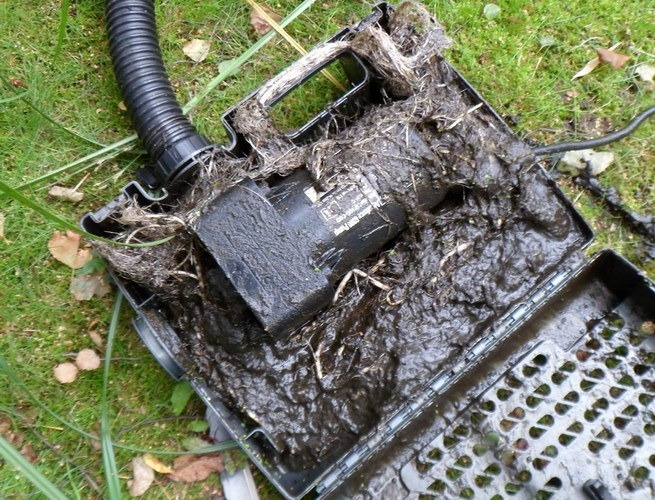
- Clear the debris: Take a moment to pull the pump out (while power is off) and clear the cage of any leftover autumn leaves or muck. This ensures maximum water pressure once you turn it back on.
5. Clear the Snow
If a heavy layer of snow settles on top of the ice, gently brush it away. Snow blocks out light, which is necessary for any natural oxygen-producing processes in the pond. Just remember to be gentle and never walk on the ice, as thickness can vary greatly across the surface.
6. Stop Feeding Your Fish
If you have not already do not feed your fish during these freezing spell. Their metabolism slows down significantly in winter. Most pond owners stop feeding around November and don’t start again until February or March, depending on the temperature. Feeding them now can cause the food to rot in their gut or pollute the water because they can’t digest it properly.
I also have done a video and article on when you should start feeding your fish again see HERE for more info.
Stay warm out there, and keep an eye on those ponds! If you found these tips helpful, consider subscribing to my YouTube channel for more pond maintenance advice, photography, and campervan adventures.