If you’re dealing with chronic lower back pain, you know how frustrating it can be to find solutions. Last year & also as of writing this about 2 weeks I underwent a Facet Joint Medial Branch Block injection, and I wanted to share my experience in detail to hopefully help some of you out there who might be considering a similar procedure.
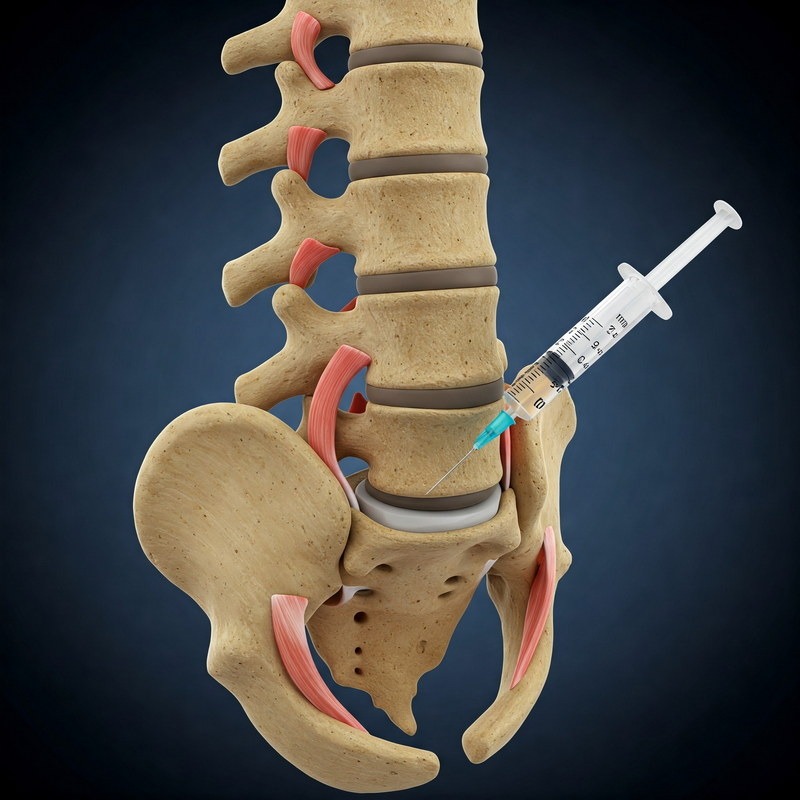
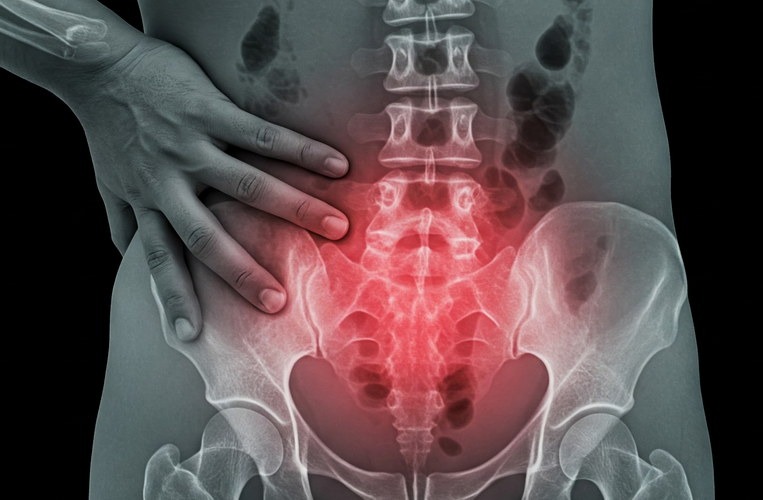
First off, a disclaimer: I am not a medical professional. This is purely my personal journey and what I learned along the way. Always consult with your doctor for medical advice tailored to your situation. I have used ai to create the medical images as I couldn’t find stock images in the way I wanted, so these images may not be medically correct but are just to give you an idea. I dont normally use ai, as my main hobby is photography, but I cant take photos of my own skeleton 🤣
Read on or you can watch the video of my experience from last year below. The one this year was the same but on the other side, and the pain relief has lasted a bit longer this time.
What Exactly is a Medial Branch Block?
Let’s break down what this injection is all about. From my understanding, a Medial Branch Block is primarily an exploratory or diagnostic treatment. Its main goal is to figure out if your pain is actually coming from your facet joints – those small joints located on each side of your spine.
How does it work? Essentially, the injection contains an anesthetic that numbs the tiny nerves (medial branch nerves) that send pain signals from these facet joints to your brain. If, after the injection, you experience significant pain relief, it strongly suggests that your facet joints are indeed the source of your discomfort, a condition often referred to as “Facet Joint Syndrome.”
If the block is successful in diagnosing the pain source, the next step often recommended is Radiofrequency Ablation. This is a more definitive treatment where those same nerves are essentially “burned” to prevent them from sending pain signals for a much longer period – often six months or even more.
My Procedure Experience
Going into this, I wanted to be as prepared as possible. Here’s how my experience unfolded:
- Preparation: I had to fast from 8:00 PM the night before the procedure. Crucially, I also needed someone to accompany me to the clinic and stay with me for 24 hours afterward. This is a common safety precaution, as you’re not allowed to drive or be alone immediately following the procedure.
- During the Operation: The actual procedure itself took about 20–30 minutes. I lay on my front, and the medical team used X-ray guidance to ensure precise placement of the needles. They started with about 4–5 injections of local anesthetic, which felt like little stings. After that, the actual block was administered. I wouldn’t call it painful, but it was a distinct feeling of “hard pressure.” It was certainly manageable.
- Recovery: After the injections, I was monitored for about 15 minutes to check my blood pressure and ensure there were no immediate adverse reactions. Once cleared, I was able to head home.
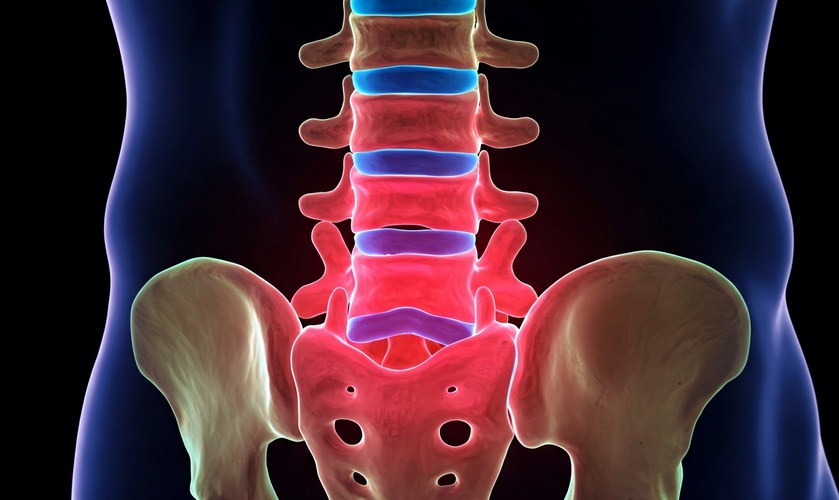
The Results and Side Effects
The big question: did it work?
- Initial Relief: Immediately after the procedure, I felt a noticeable difference. Since they only treated one side of my spine, that side felt numb and wonderfully pain-free. The other side, however, was still hurting, which made me feel quite “lopsided”!
- Duration of Relief: The significant relief I felt lasted for about two to two and a half weeks. It was fantastic while it lasted, offering a much-needed break from the constant pain. However, after that period, the pain gradually returned, and unfortunately, it came back “with a vengeance” on both sides of my back.
- Side Effects: Thankfully, I didn’t experience some of the more common side effects like bruising at the injection site. However, about four weeks after the procedure, I did notice a strange “pins and needles” sensation on my back. I can’t say for certain it was directly related to the injection, but it was an unusual sensation that hadn’t been there before.
My Final Thoughts
For me, the Facet Joint Medial Branch Block wasn’t a “miracle cure” in itself, but it was a crucial step in understanding my pain. It helped confirm that my facet joints are indeed a significant source of my discomfort, paving the way for discussions about more long-term solutions like Radiofrequency Ablation. Which in turn will help me take less medication as anyone with chronic pains knows you have to take so much and these can have bad side effects and in turn addiction.
Living with chronic pain, especially with issues like arthritis and bulging discs, is a daily challenge. But I remain hopeful that these procedures will allow me to continue enjoying my passions, like photography and exploring in my campervan. If you want to know how my condition affects day to day life I made a video about a year ago going into details, see below.
If you’re going through a similar journey, I hope sharing my experience gives you a better idea of what to expect. Don’t be afraid to ask your doctors plenty of questions and advocate for yourself. Here’s to finding relief and getting back to doing the things we love!
Have you had a similar experience? Share your thoughts in the comments below! Also make sure you have a look at my youtube channel as I do give updates to my condition and also share my passion for going out doing landscape photography and recently brought a new van to convert into a camper so I can go away more.

This blog post is for informational purposes only and does not constitute medical advice. Please consult with a qualified healthcare professional for any health concerns or before making any decisions related to your health or treatment.