There’s something wonderfully calming about sitting down with a jigsaw puzzle. It’s part mindfulness, part challenge, and part pure satisfaction when that final piece clicks into place. Whether you’re new to puzzling or already have a growing collection of 1,000‑piece beasts waiting on your shelf, a few smart strategies can make the experience smoother, faster, and far more enjoyable.
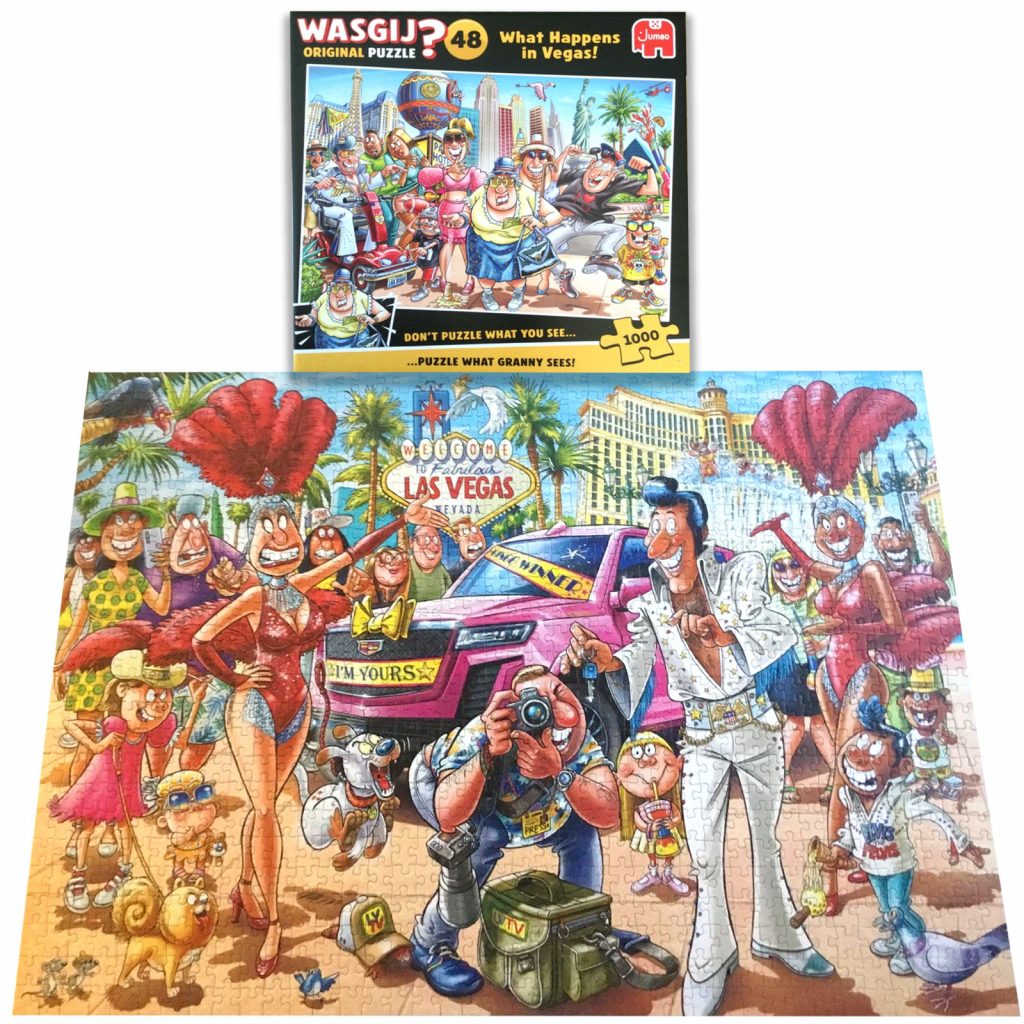
Personally I love doing Wasgij jigsaw puzzles, as the puzzle is different than the drawing on the box , which makes for a great challenge, though if you get stuck I have a list with all wasgij jigsaws with every completed puzzle photo, so if you are stuck go HERE
Here are my general top tips to make doing what ever type of jigsaw puzzles more relaxing and entertaining.
I have provided Links to buy my recommended items on Amazon that may help you, if you buy through my links I may earn a bit of commission, this doesn’t affect the price you pay , just helps me keep this site going.
1. Choose the Right Puzzle for Your Mood
Not all puzzles are created equal. Some are meant to be breezy and relaxing; others are designed to test your patience. Consider:
- Piece count — 500 pieces is a sweet spot for most people.
- Image complexity — landscapes and gradients are harder than bold, distinct images.
- Cut style — random‑cut puzzles are more challenging than grid‑cut ones.
Picking the right puzzle sets the tone for the whole experience. Personally I like the illustration / drawing style puzzles but that’s my personal preference.
Landscape jigsaws
Colourful puzzles
Wasgij puzzles
Art puzzles
2. Create a Comfortable Workspace
A good setup makes a world of difference. Aim for:
- A large, flat surface with plenty of elbow room
- Good lighting (natural light is ideal)
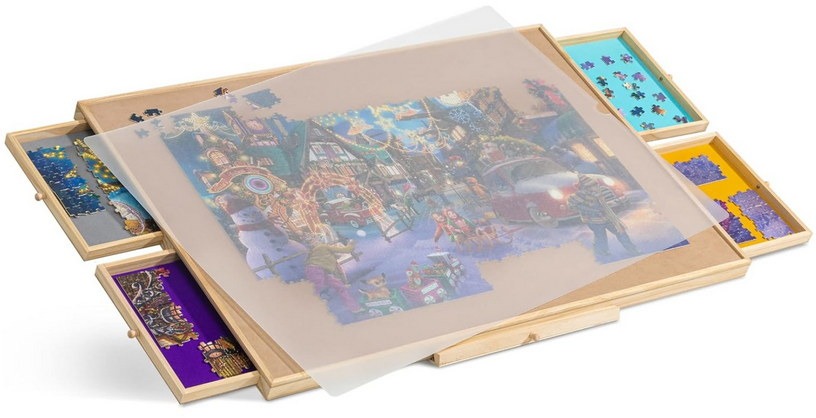
- A puzzle mat or board if you need to move it around
Your future self will thank you. Here are some of my recommendations whatever your budget or needs.
Dedicated puzzle table
Roll up puzzle mat green
Roll up puzzle mat black
Puzzle board flat
Premium puzzle board
Adjustable puzzle board
Wooden puzzle folding table

3. Sort Before You Start
Sorting is the secret weapon of seasoned puzzlers. Try:
- Edge pieces in one pile
- Colours and patterns grouped together
- Distinct features (text, faces, buildings) in their own clusters
It might feel like extra work, but it speeds up the build dramatically. I find having having some stackable trays, I have four trays when I’m doing a 1000 piece jigsaw puzzle.
Plastic trays 4pk white
Plastic trays 4pk black
4. Build the Border First
The classic advice still holds up. Completing the edges gives you:
- A clear sense of scale
- Defined boundaries
- A psychological win early on
Once the edges are done, the rest feels more manageable.
5. Work in Small Sections
Instead of tackling the whole puzzle at once, focus on mini‑areas:
- A patch of sky
- A character’s clothing
- A cluster of flowers
- Same coloured sections
Completing small sections keeps momentum high and frustration low. This is where having space around the main puzzle helps as you can do sections in separate trays or area if unsure where that part is put in the main puzzle area.
6. Use the Box — and Don’t Be Afraid to Rotate It
The box image is your best friend. Keep it visible and rotate it often. Sometimes a piece only makes sense when you see the picture from a different angle.
This is especially true doing wasgij puzzles , rotating the puzzle helps a lot, and on the box there are some clues , again if stuck you can chest by quickly looking at complete puzzle on my list HERE
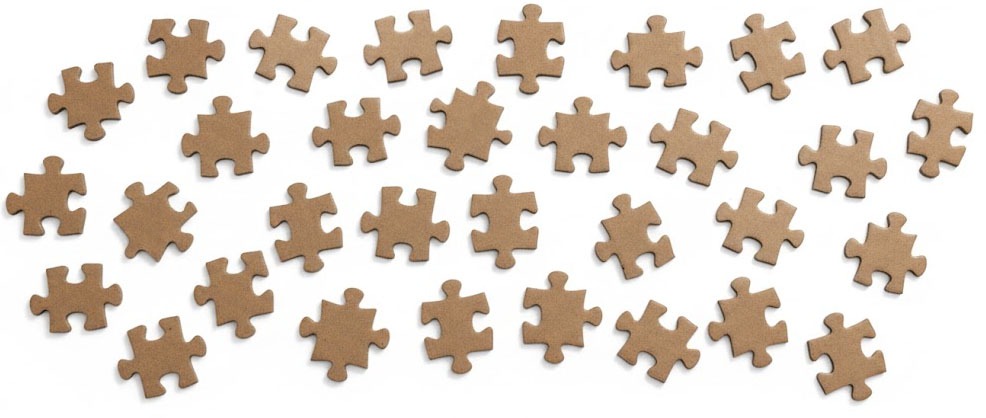
7. Pay Attention to Piece Shape
When colours fail you, shapes come to the rescue. Look for:
- Tabs and blanks
- Unusual curves
- Pieces that seem “too weird” — they often belong in tricky spots
Shape recognition becomes especially important in large or monochrome puzzles.

8. Take Breaks (Seriously)
Your brain gets tired of seeing the same colours and patterns. A short break can reset your perspective and help you spot pieces you missed before.
Personally I do max 2hrs at a time, though there have been times just carried on. Even if can’t sleep and gone downstairs for a drink then the puzzle being on the kitchen table pulls me back in and then lost a few hours.
9. Keep Your Pieces Safe
Pets, kids, and rogue breezes are sworn enemies of puzzlers. A few precautions help:
- Use trays or small containers
- Cover the puzzle when you’re away
- Keep drinks at a safe distance
- Missing pieces check the floor or the gaps in chair you were sitting on
Missing pieces are the heartbreak no puzzler deserves. Be wary of buying puzzles second hand, if through eBay, Facebook marketplace place looks for sellers showing photo of completed puzzle
10. Enjoy the Process, Not Just the Finish
Puzzling is meant to be relaxing, not a race. Celebrate the little wins, appreciate the artwork, and let yourself get lost in the moment. The final picture is lovely, but the journey is the real joy.